
Complementary Therapy
What is Complementary Therapy? | Who can Access Complementary Therapy | How to be referred | What therapies are offered at the Wellbeing and Information Centre | How to make an appointment | Donations
We have two dedicated therapy rooms in the Cancer Wellbeing and Information Centre and have a number of complementary therapies on offer for cancer patients and carers. There is no charge for the services provided but we respectfully ask that you consider making a donation of your choice, if financially possible. The therapies offered at the Centre are provided by our Complementary Therapy partners, The Helen Rollason Cancer Charity. See the last section on this page for further information about the donation options/process.
You can be referred for complementary therapy by any of the healthcare team looking after you, one of the staff or volunteers in the Wellbeing and Information Centre or by calling 01206 745347. (See the section below ‘How to be referred for therapy’ for further details).
If we are unable to take your call, please leave a message on the answerphone and we will aim to return your call within 48 hours.
What is Complementary Therapy?
To learn more you can visit one of the cancer websites listed below, both have comprehensive explanations about Complementary Therapy, how it works and how it might help you, topics covered include:-
What Complementary Therapy is
Information about some of the different types of Complementary Therapy
Why people find it helpful and how it might help you
Looks at the safety issues
How you can look for a therapist that is not based at the Hospital
Who can access Complementary Therapy at the Wellbeing Centre?
Anyone who has a cancer diagnosis living in Essex and who is receiving all or part of their treatment at Colchester Hospital. We also currently offer therapy sessions to partners/carers of those who have received a cancer diagnosis.
Once your referral form has been received there is normally a waiting time of 4 weeks before your first appointment.
How to be referred for therapy?
You will need to have completed a referral form before you are able to access therapy sessions. This can easily be done in the Cancer Wellbeing and Information Centre by one of the staff or volunteers, by your Nurse Specialist or one of the health care professionals looking after you.
The referral form is then processed by the Complementary Therapy managers. Depending on the the waiting list times, you can expect to receive a telephone call within 3 weeks. This will be an opportunity to ask any questions you may have. If you feel it is appropriate to go ahead, then an appointment can be made.
You are able to have up to 6 sessions over a period of time . They can be spaced out around any treatments and how you are feeling and you will be able to discuss this further with your therapist. Of course you can stop at anytime if you find it is not suiting you or you can swap to a different type of Complementary Therapy (subject to availability).
Who are the therapists?
The therapists who work in the Wellbeing and Information Centre are provided by The Helen Rollason Cancer Charity. Therapists who work in a hospital setting must have the relevant qualifications. They are usually registered with organisations that regulate complementary therapy practitioners such as:
Complementary and Natural Healthcare Council (CNHC)
Health and Care Professions Council ( HCPC)
The Federation For Holistic Therapists (FHT)
Complementary Therapists Association (CThA)
All of these organisations make sure that practitioners registered with them are professionally trained, qualified and insured. Your therapist will be familiar with working with people with cancer.
At the Cancer Wellbeing and Information Centre we offer:-
Reflexology.
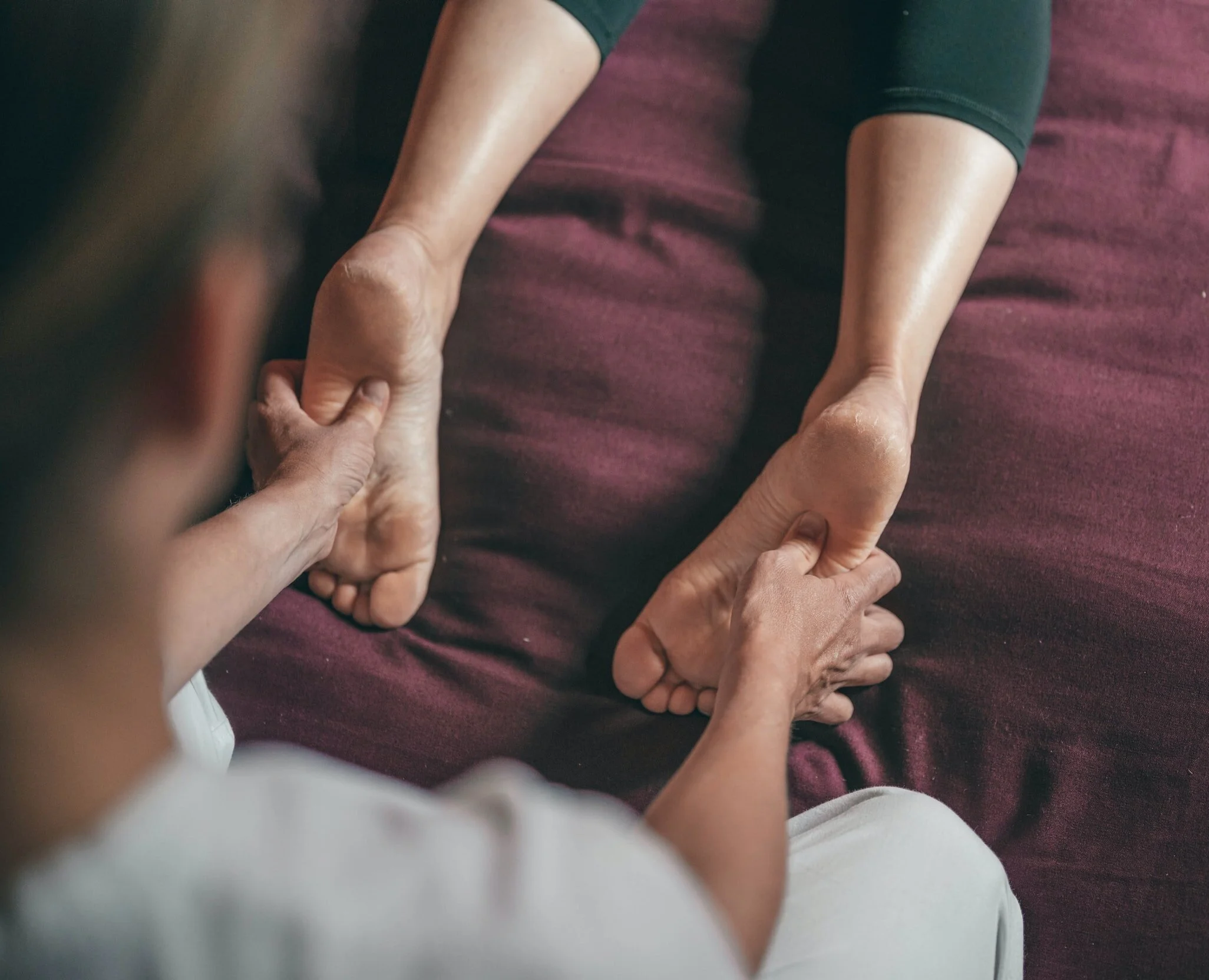
Reflexology is one of the most popular complementary therapies in the UK amongst people with cancer. Reflexology is a type of massage, which involves pressure being applied to your feet and/or hands.
It is believed that having your hands or feet pressed and massaged in a systematic way stimulates the corresponding organs in your body. This can help to unblock your body’s energy pathways and restore balance. Pressing these areas is also thought to start the healing process and a sharp or tender feeling (reflexologists sometimes describe this as a crunchy sensation) can indicate that an area of your body is out of balance.
Although there is no scientific evidence, some people claim that reflexology helps them to;
• Feel relaxed and able to cope with stress and anxiety
• Helps to relieve pain
• Lifts their mood and creates a feeling of wellbeing
• Boosts the immune system
• Reduces nerve tingling and numbness from cancer drugs (peripheral neuropathy)
What to expect from Reflexology
On your first visit, your therapist will ask you some general questions about your health, lifestyle and medical history. During your reflexology session, which usually lasts around 50 minutes, you will lie down or sit in a reclining chair while your therapist gently presses your feet and hands to assess your health.
Most people say having reflexology feels relaxing and soothing, but pressure on some areas may be uncomfortable. Your therapist might tell you that this discomfort relates to problems in a particular part of your body. Generally, reflexology doesn’t cause many side effects, you might feel a bit light headed after treatment and occasionally clients report having tender feet.
Cancer Research UK
Click for further info on Reflexology
Massage
One of the main reasons people with cancer use massage is because it helps them feel good. It is a way they feel they can help themselves.
Massage therapy can help lift your mood, improve your sleep and enhance your well being. There is some evidence to help support these benefits.
Massage for people with cancer might help you relax and cope with:
stress
anxiety
headaches
pain
What to expect from a Massage
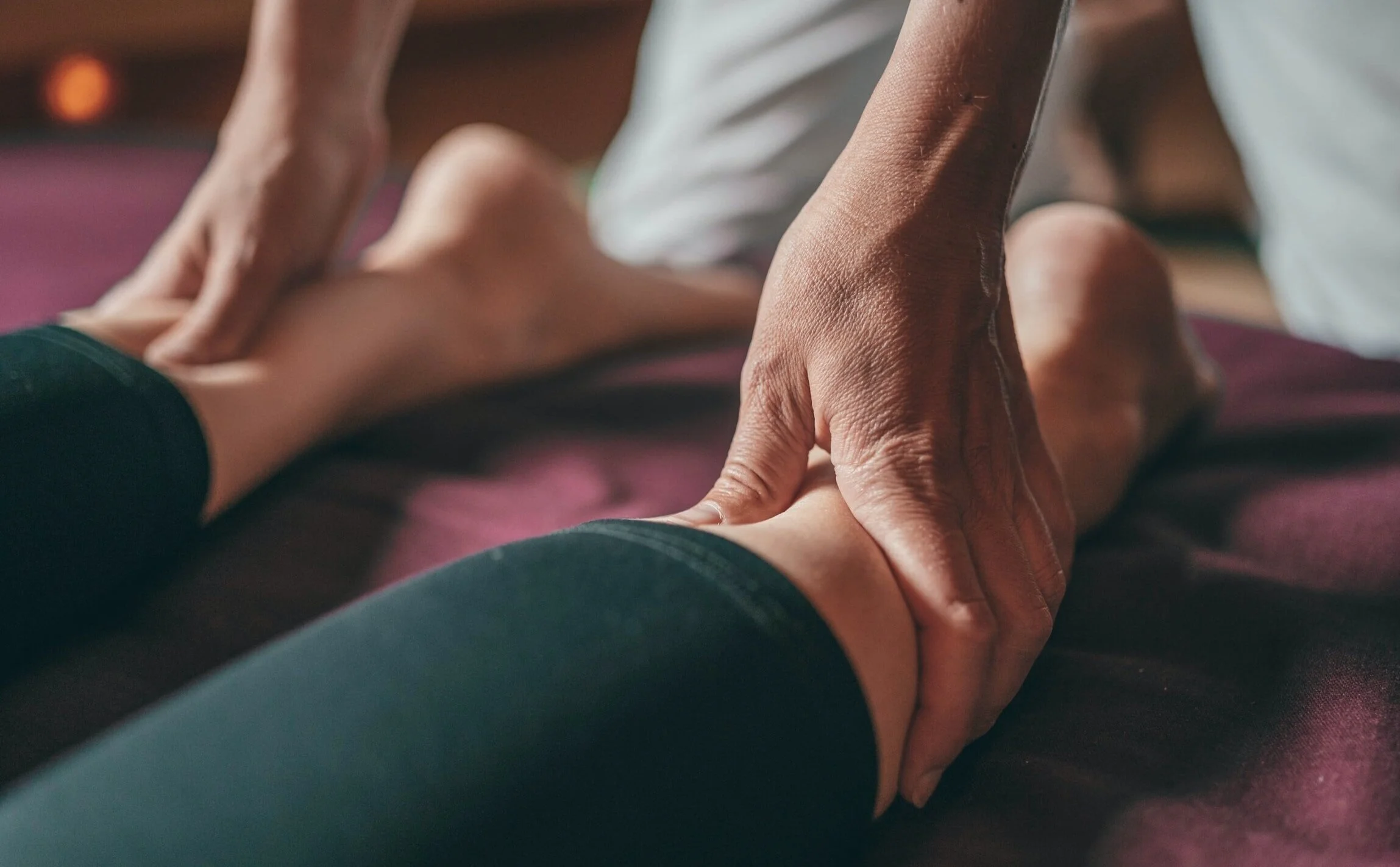
Your therapist will usually want to assess your suitability for a massage before one is given. Massage is a technique that applies pressure to parts of the body. A therapist uses techniques such as stroking, kneading, tapping or pressing. It aims to relax you mentally and physically. Massage may concentrate on the muscles, the soft tissues, or on the acupuncture points.
Cancer Research UK
Further info on aromatherapy massage
Reiki
Here's a cleaner, more flowing rewrite:
What is Reiki?
Reiki is a complementary therapy rooted in Japanese healing tradition, developed by Mikao Usui in the early 20th century. The word itself — pronounced ray-key — translates as "universal energy," reflecting the core belief that a vital life force flows through all living things. This energy goes by different names across Eastern traditions: Ki in Japan, Chi in China, prana in India. Reiki is not affiliated with any religion or belief system.
A practitioner works by placing their hands on or near your fully clothed body, with the aim of balancing the energy fields in and around you. The primary goal is simply to help you relax.
Reiki and cancer care
Some people with cancer choose to use reiki alongside their medical treatment. Practitioners suggest it may help with deep relaxation, coping with difficult or overwhelming situations, emotional stress and tension, and general sense of wellbeing.
Research suggests that much of the benefit comes from time spent in a calm environment with a caring practitioner — gentle touch and unhurried attention are themselves therapeutic. For this reason, reiki is sometimes used in palliative care and hospice settings. While it may support your emotional wellbeing and ability to cope, it's important to be clear that reiki cannot treat cancer itself.
What to expect in a session
You won't need to undress — most people simply remove their shoes and coat and lie or sit comfortably. The practitioner may dim the lights or play soft music to create a relaxing atmosphere.
They'll place their hands on or just above your body, typically beginning at the head and moving gradually toward the feet, though they may spend more time on particular areas. The intention is to encourage the flow of energy, release any blockages, and support your body's own healing capacity.
You might notice warmth, coolness, tingling, or a sense of deep relaxation — or you may feel nothing at all. Practitioners consider all of these valid responses; the absence of sensation doesn't mean the treatment isn't working.

Cancer Research UK
Further info on Reiki
Making an appointment
If you would like to talk to someone about making an appointment, please call the Wellbeing Centre on 01206 745347. You can also telephone for further appointments, or you can book in person when you are at the centre. We will do our best to arrange an appointment that is convenient for you.
Each session lasts for 50 minutes so please try to arrive on time, otherwise your session will be shorter. If you are unable to keep an appointment, or if you are unwell in the days preceding your appointment, or if other circumstances prevent you from attending, we would ask that you give us at least 24 hours notice. This will enable us to offer the opportunity to another client who would benefit from it.
We understand there may be times when you don’t feel well enough to attend the centre and appreciate this may not become apparent until the day of your appointment. Of course we understand too if you suddenly receive a medical appointment that overlaps with your treatment here.
Please do not attend if you have an infection of any sort. This includes coughs, colds, sore throat and gastric upsets. We have to be mindful that many of our clients have impaired immunity due to chemotherapy and we want to ensure, as far as is possible, that they are not put at risk by coming into contact with infection. Please wait until you have been symptom free for at least 48 hours before attending the centre.
When attending your therapy appointment it would be helpful if you could bring with you an up to date list of your current medication, and it is beneficial to keep hydrated and to have had something to eat within the previous 2-4 hours.
If you would like to make a donation
The services and therapies provided by the Cancer Wellbeing and Information Centre are free and we do not expect any donations, but of course we are always delighted when people are able to donate as it enables the centre to continue making a positive difference to other cancer patients/carers.
The Cancer Wellbeing and Information Centre have their own charity fund, managed by the official hospital charity, Colchester and Ipswich Hospitals Charity. (The build of the Centre was funded entirely by hospital charity donations).
It is also possible to make donations to our partners, The Helen Rollason Cancer Charity - who provide the Complementary therapists.
Donations to either can be made in person whilst visiting the Centre, perhaps when attending your therapy appointment. There are donation boxes and gift aid charity donation envelopes in centre - please speak to your therapist or staff/volunteers in the centre and they will be able to guide you.
Alternatively, you can donate to both charities online, by clicking on the links below:-
Colchester and Ipswich Hospitals Charity (please remember to select the ‘cancer wellbeing centre’ fund from the pull down box on the donation page).
Helen Rollason Cancer Charity relies on donations, fundraising and money raised from our Charity Shops to continue enabling quality of life while living with cancer. Here’s an example of the sort of things your donations pay for;
Massage Session; £50
A massage to enhance relaxation and releases tension
Reflexology Session; £50
A form of gentle manual pressure applied to the feet to reduce stress, anxiety and promote well-being.
The work we do really does make a difference. “I am so grateful for being introduced to this wonderful service and charity and I would not hesitate to recommend it to others facing cancer.” – client quote.
If you are in a position to donate to us via our online ‘just giving’ page, then please click here.
Thank you very much